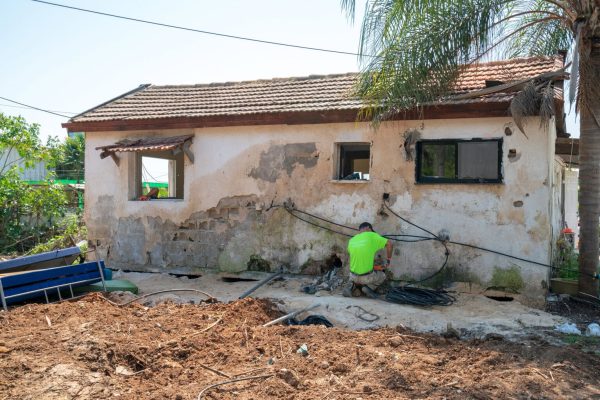
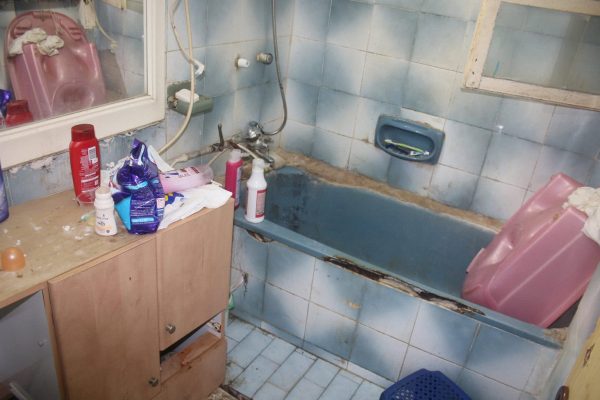
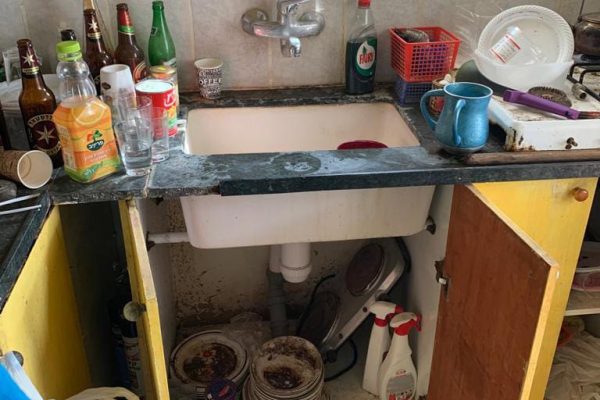
New immigrants living in poverty often lack the means to fix even the most basic and urgent problems in their homes. Many wait years for help with leaking roofs, non-functioning kitchens, lack of hot water, and more.
Due to illness, age, or language barriers, many have little or no income. As a result, they cannot afford even critical home repairs and are left living in unsafe, deteriorating conditions.
The Need
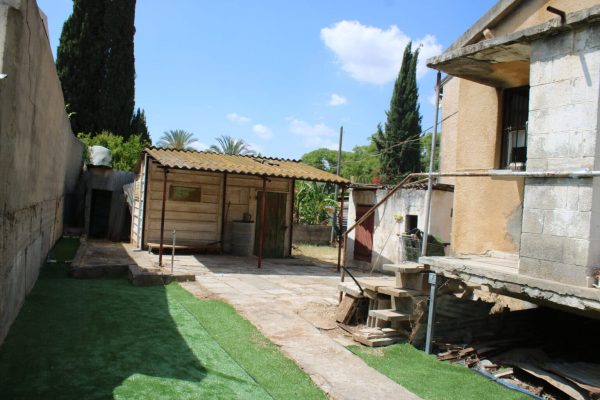
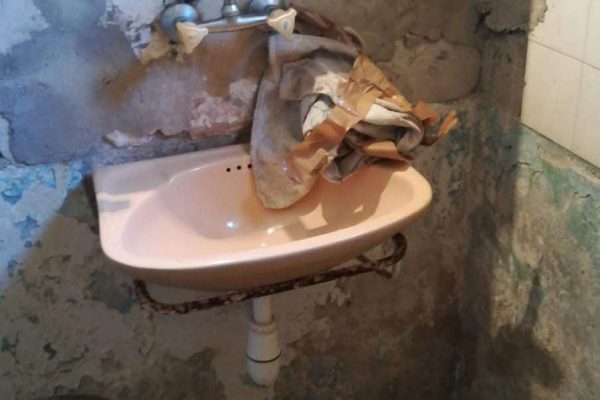
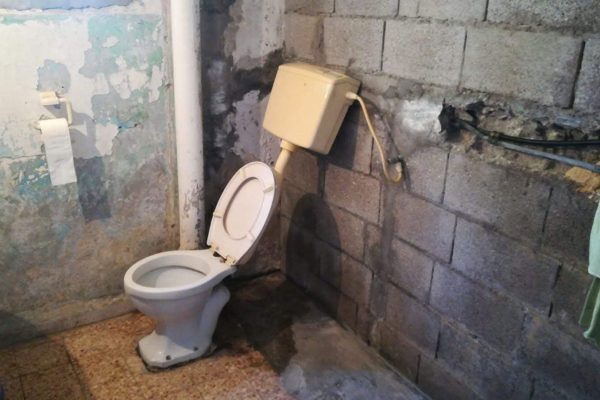
Many immigrants received home ownership through significant government subsidies when they arrived in Israel. While this assistance provided a roof over their heads, the apartments were often already old, and over time, their condition has further deteriorated. Today, many of these individuals live in neglected and unsafe homes.
In meetings with Welfare Ministers Itzik Shmuli and Meir Cohen, we were told that the government does not provide assistance for privately owned apartments, as they are considered the sole responsibility of the homeowner.
This puts many immigrants in a difficult position—because they technically own their homes, they are not eligible for assistance from any governmental or other body.
For example:
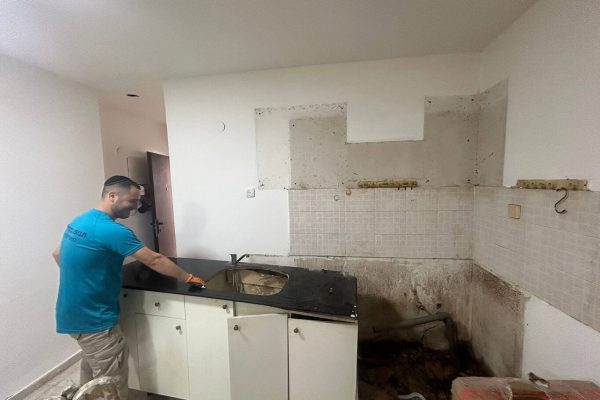
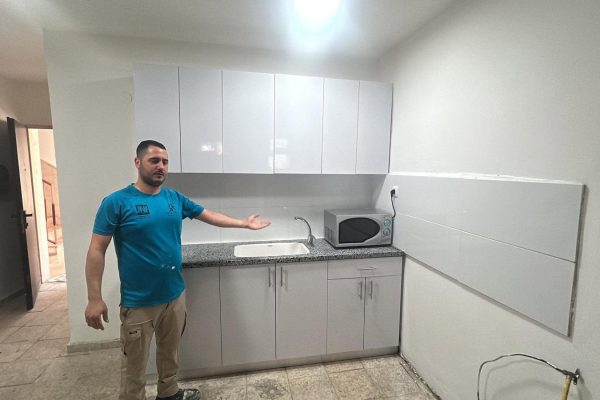
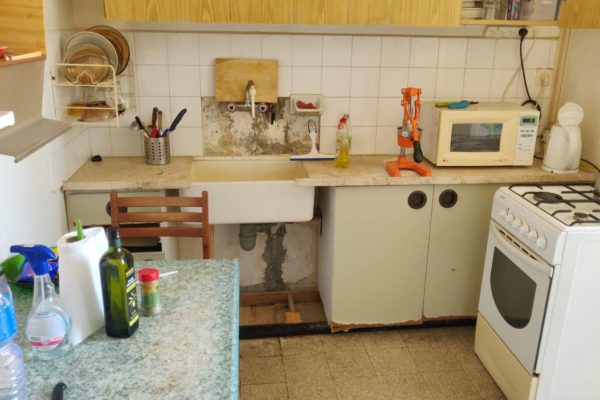
-A single mother who emigrated from Ethiopia lives with her three children in a home with a kitchen where the cabinets are rotting, falling apart, and infested.
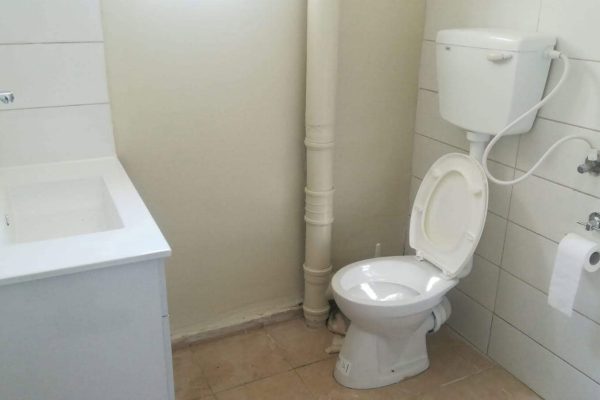
-An elderly man who emigrated from Russia has been living for years without hot water, bathing from a bucket of water heated on the stove.
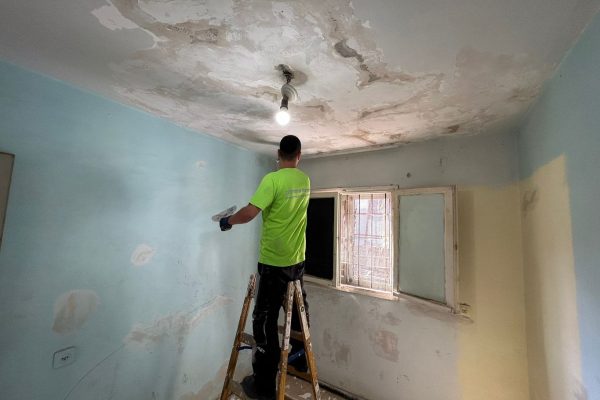
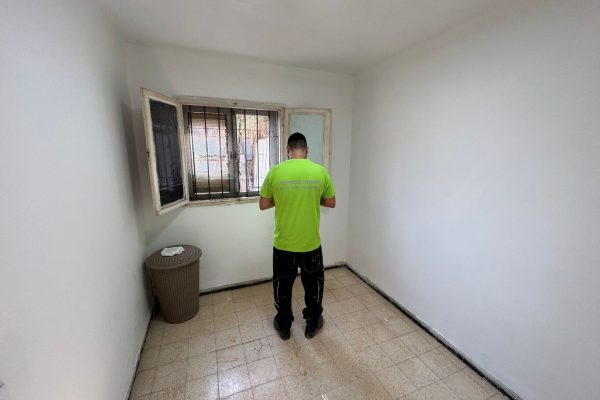
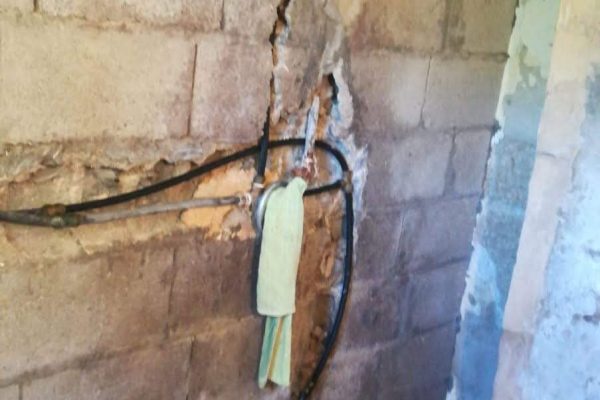
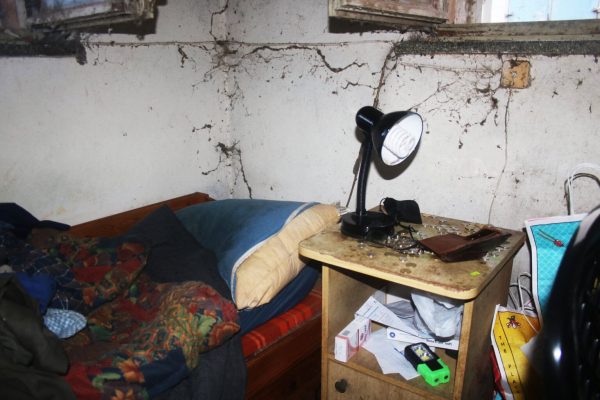
-A man struggling with mental health who emigrated from Ukraine lives with a leak that flows directly into his bedroom and bed.
The Impact
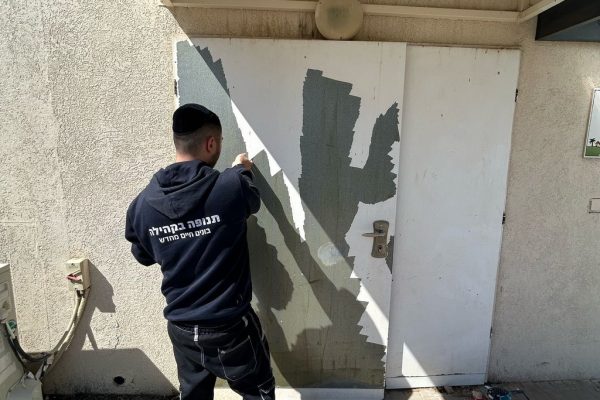
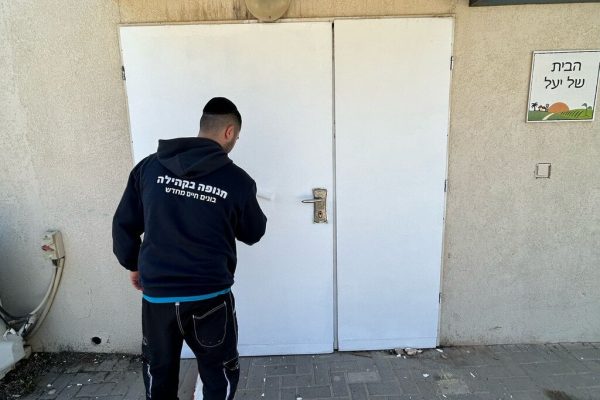
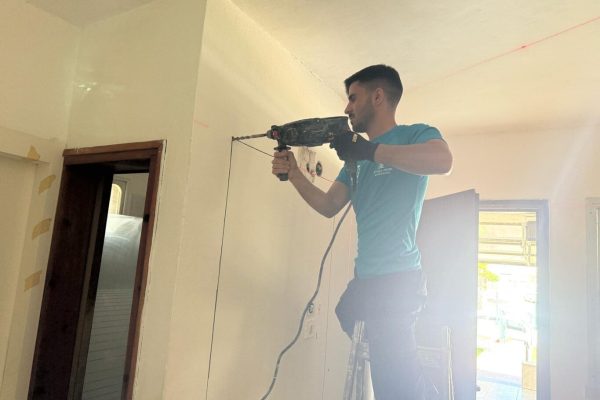
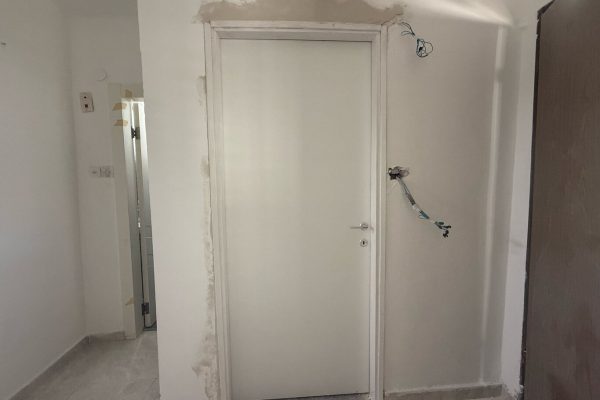
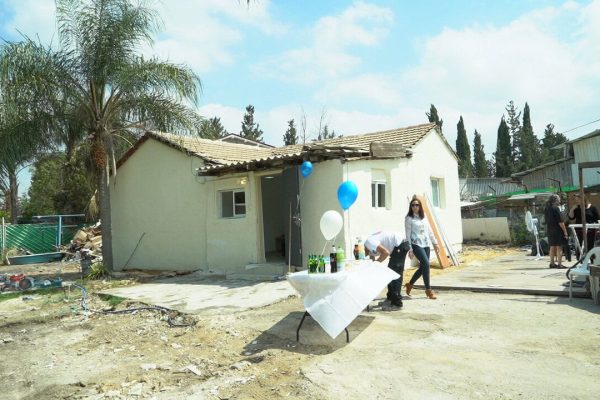
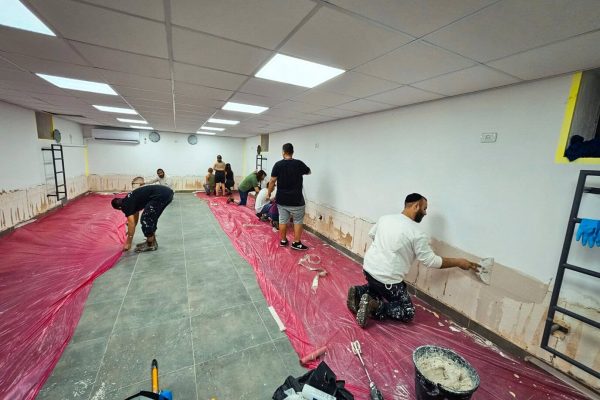
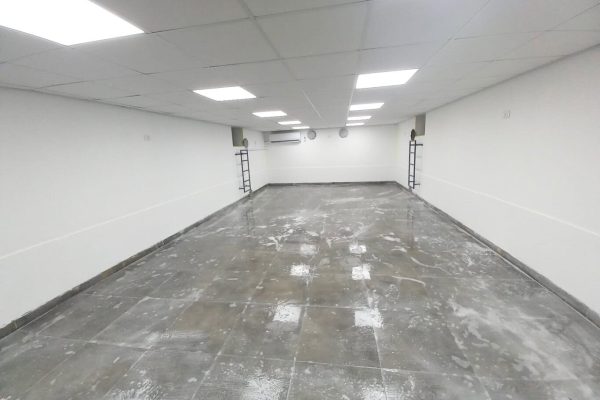
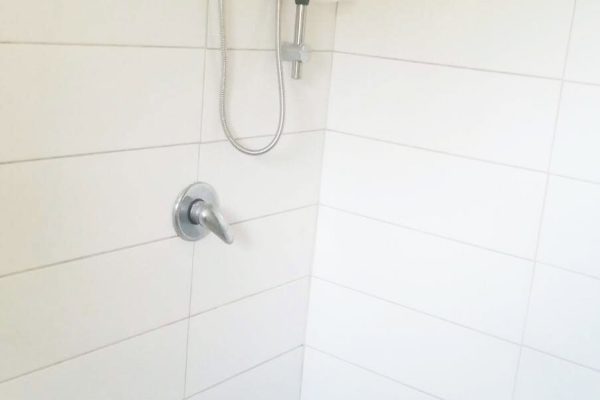
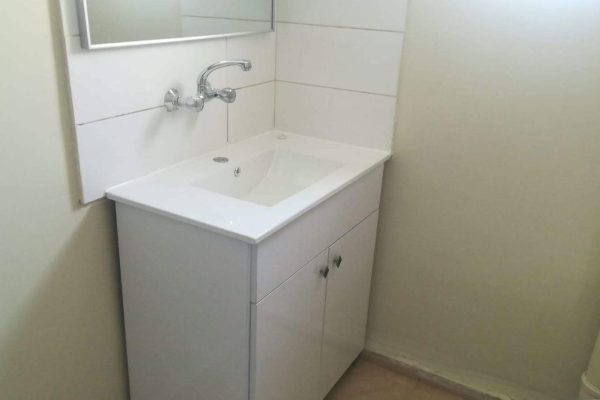
Each year, the organization transforms the living conditions of dozens of immigrant families—creating safe, decent, and functional homes and improving their overall quality of life.
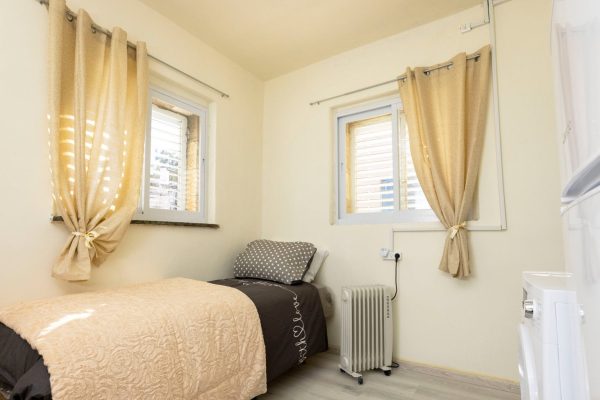
For children, this means security and the essential conditions for healthy physical and emotional development. For elderly immigrants, it means being able to live safely, comfortably, and with dignity.
The change in the home’s condition has a powerful effect on the health and well-being of all household members. It creates a sense of stability and empowerment, often inspiring people to take responsibility in other areas of life—returning to work, improving parenting, investing in children’s education, and rebuilding social connections—ultimately breaking the cycle of poverty.
Before
After
Renovation of a daycare center for children with special needs
Before
After
Renovation of the home of a widow whose daughter has mental health challenges and lives with her
Before
After
Renovation of the home of a newly immigrated divorced man without children
Before
After
Renovation of the home of an elderly man suffering illness and disability
Before
After
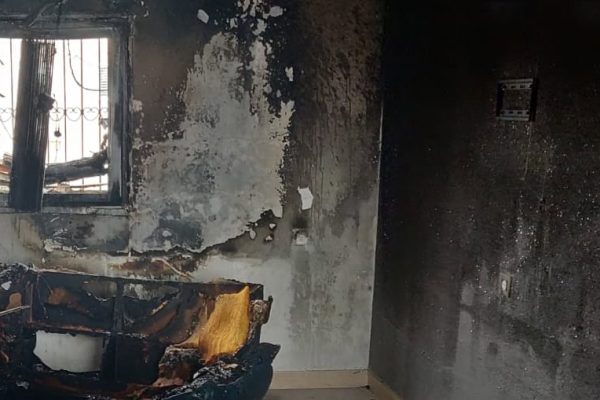
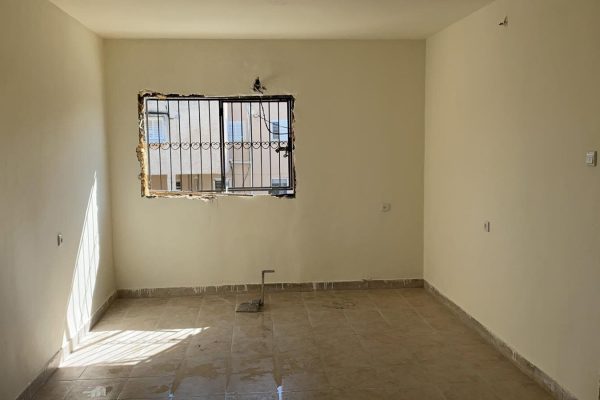
Renovation and painting home of a family with special needs children, damaged by fire
Before
After
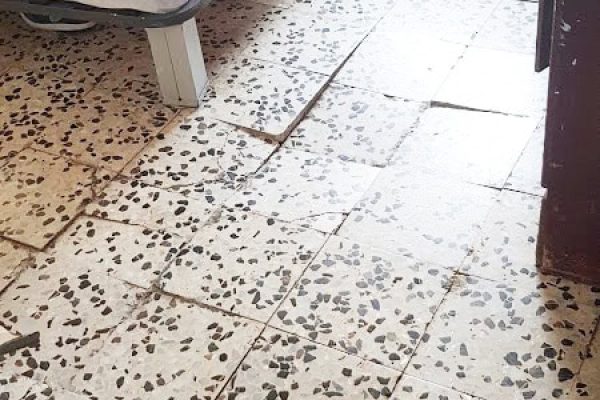
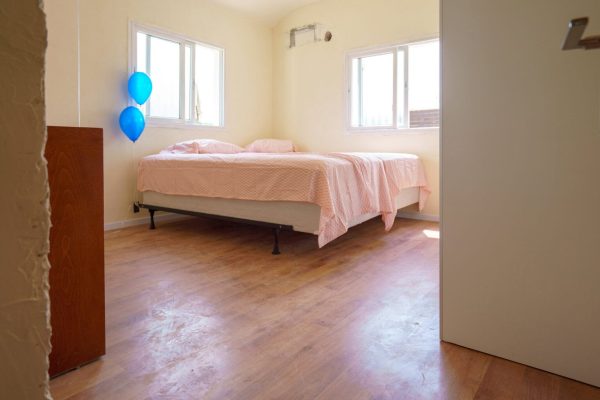
Renovation of a bedroom with a broken and dangerous floor for a disabled woman
Before
After
Renovation of a house where tree roots penetrated the pipes causing extensive system damage
Before
After
enovation of a shelter after a fire
Before
After
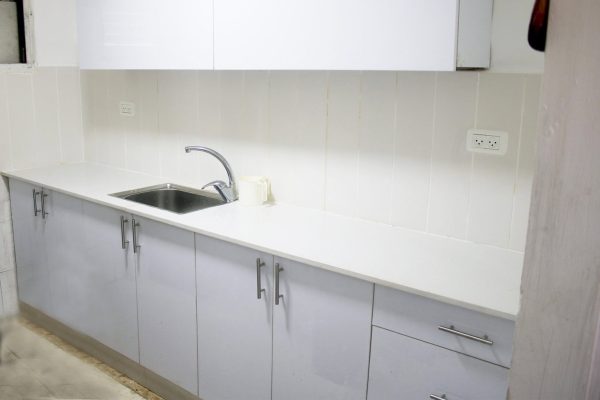
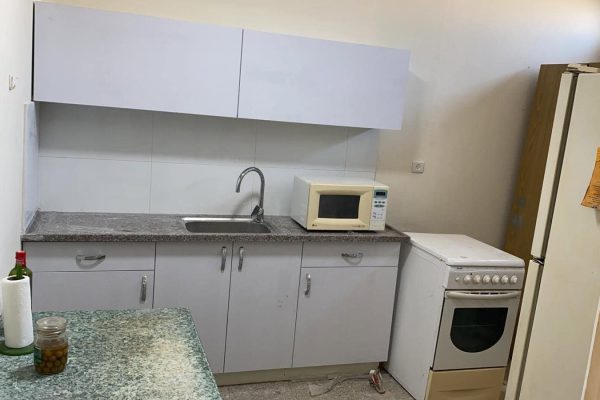
Kitchen replacement for an elderly immigrant couple from Ethiopia
Before
After
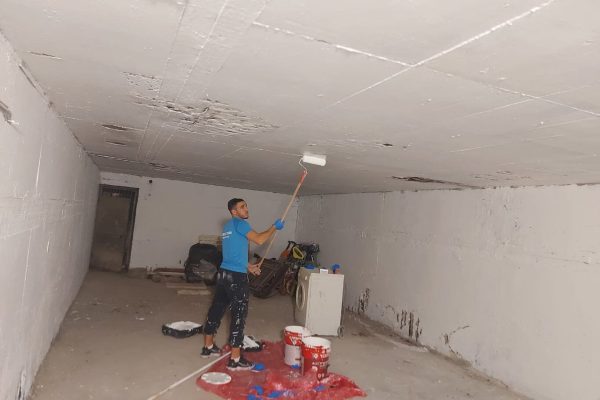
Renovation of a shelter flooded up to knee level with sewage water
Before
After
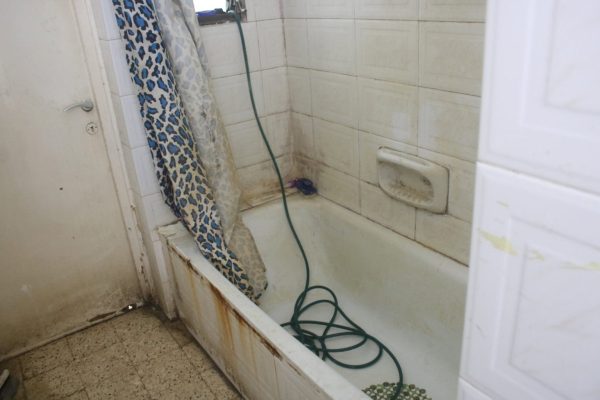
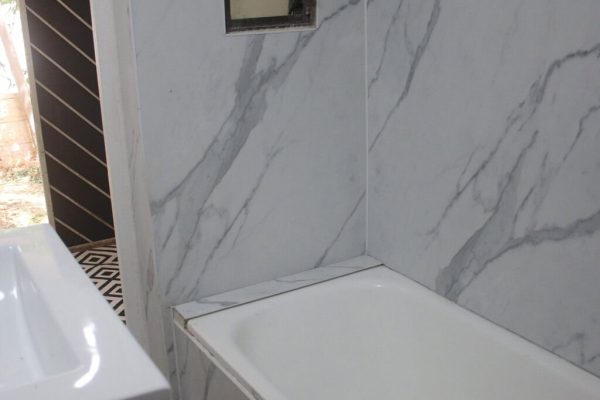
For four years, a single grandmother and her grandson showered using a hose pulled from the bathroom
Before
After
Single father with mental health challenges; one of the sons has special needs
Before
After
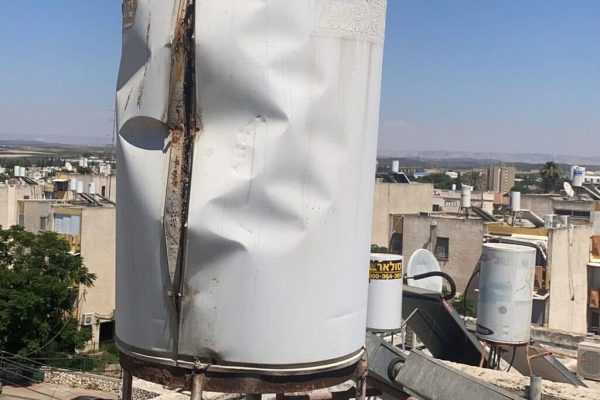
Replacement of a solar water heater for an elderly man who had no hot water for 5 years
Before
After
An elderly man who lived without running water, using a hose from the garden — now finally able to shower with running water.
Before
After
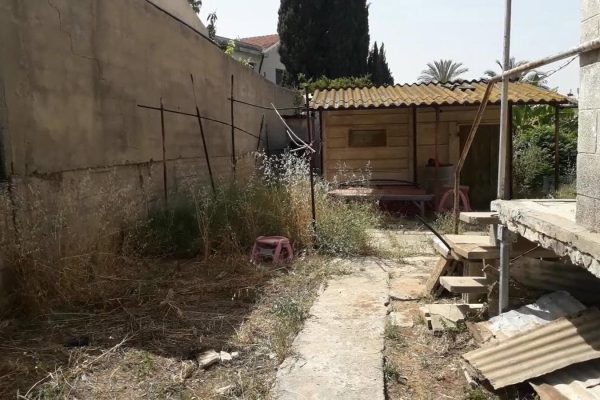
A yard once infested with dangerous reptiles has been transformed into a safe space for a family with young children
Before
After
Kitchen renovation for a family of a combat soldier
Before
After
Renovation of a shower for an elderly couple living without proper conditions